Max Scherzer's 10-Game Ban: MLB's Stance on Sticky Substances
The world of Major League Baseball (MLB) prides itself on fair play and maintaining the integrity of the game. Yet, controversies occasionally arise that test these foundational principles. One such incident that captured headlines and sparked widespread debate in 2023 involved one of the sport's most decorated and competitive pitchers, Max Scherzer. His 10-game suspension sent a clear message from the league regarding its stringent rules on prohibited substances. For many, particularly those following the sport closely in Europe, the question loomed: Warum Wurde Der Us Baseball Profi Max Scherzer 2023 Für Zehn Spiele Gesperrt? (Why was US baseball pro Max Scherzer suspended for ten games in 2023?) This article delves into the specifics of Scherzer's ban, the MLB's unwavering stance on sticky substances, and the broader implications for players and the game.
The Controversial Incident: April 19, 2023
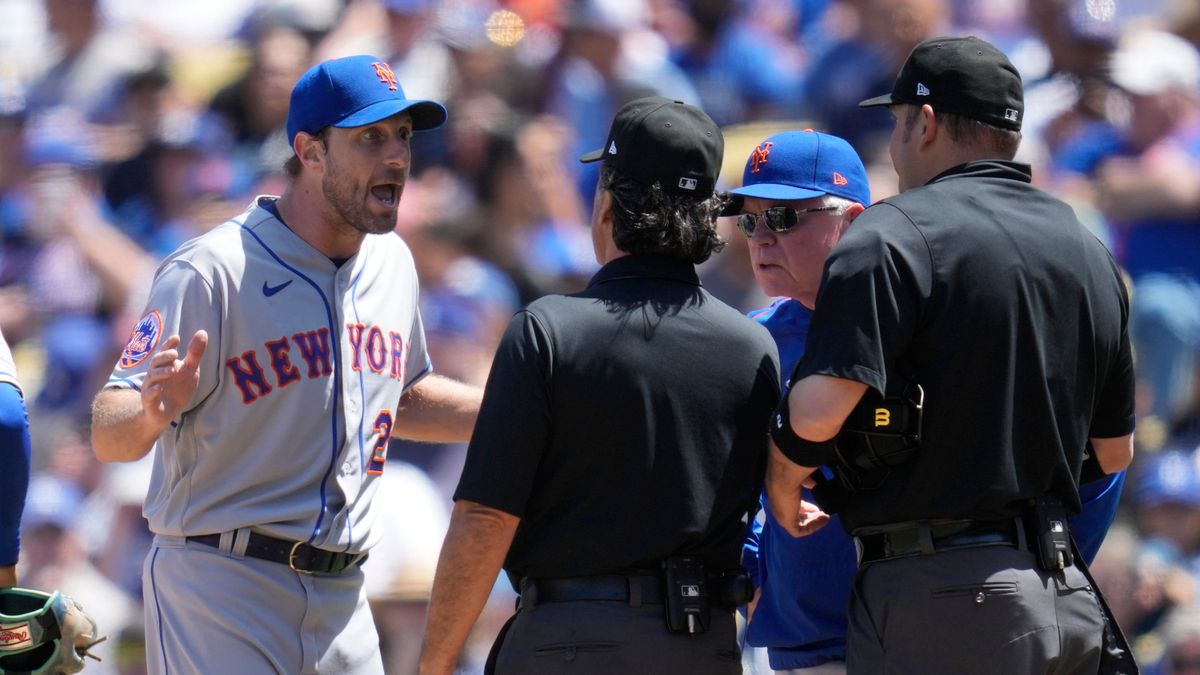
The pivotal moment occurred on April 19, 2023, during a game between Max Scherzer's then-team, the New York Mets, and the Los Angeles Dodgers. Scherzer, a multi-Cy Young Award winner known for his intense demeanor and pinpoint control, was already under scrutiny that day. Earlier in the game, umpires had ordered him to change his glove and hat due to suspicion of an illegal substance. Despite these prior warnings and compliance, the situation escalated dramatically in the bottom of the fourth inning.
During a routine inspection, crew chief Phil Cuzzi, along with other umpires, found Scherzer's pitching hand to be "unusually sticky." The visual and tactile evidence, according to the officiating crew, pointed to something beyond the legal combination of sweat and rosin. A prolonged, heated discussion ensued on the mound, a scene captured vividly on television and later widely circulated online. Scherzer vehemently denied using anything other than legal rosin, a pine tar derivative permitted by the league for grip enhancement. In a now-iconic moment, he could be seen emphatically stating, "It's rosin!" to the umpires, visibly frustrated by their persistent questioning. Despite his fervent protests, including an impassioned declaration swearing on his children's lives that he used nothing illicit, the umpires and subsequently the MLB office determined otherwise.
The league later confirmed that "Mr. Scherzer was found to have violated the prohibition on foreign substances in the Official Baseball Rules prior to the conclusion of the fourth inning." This decision was buttressed by "relevant videos and first-hand reports" from the umpire crew. Consequently, Scherzer was ejected from the game, setting the stage for the impending disciplinary action.
MLB's Stance on Sticky Substances: A History of Enforcement
To fully grasp the gravity of Scherzer's suspension, it's crucial to understand the MLB's long-standing, yet evolving, stance on foreign substances. The prohibition of external substances on the baseball, a pitcher's hand, or glove is not new. Rule 6.02(c) of the Official Baseball Rules explicitly states that a pitcher shall not "apply a foreign substance to the ball" or "have on his person, or in his possession, any foreign substance." The primary reasons behind these rules are twofold: ensuring fair competition and safeguarding player safety.
- Fair Competition: Illicit substances, often a mix of pine tar, sunscreen, and other adhesives, can significantly increase a pitcher's grip on the baseball. This enhanced grip allows for greater spin rates, which in turn can make pitches move more sharply, break later, and become exceedingly difficult for batters to hit. This creates an unfair advantage, distorting the natural balance between pitcher and hitter.
- Player Safety: While less frequently discussed, some argue that excessively sticky substances could potentially lead to unexpected ball trajectories, posing a safety risk to batters. More directly, the extreme spin rates generated might also place undue stress on a pitcher's arm, though this is a more debated point.
Historically, the enforcement of these rules was often inconsistent, with a tacit "unwritten rule" allowing pitchers to use substances discreetly as long as it wasn't overly obvious or egregious. However, in recent years, particularly since the 2020 season, the MLB has drastically increased its scrutiny and enforcement. Prompted by data indicating a dramatic surge in spin rates across the league – which many attributed to widespread substance abuse – MLB implemented stricter in-game checks by umpires. This crackdown led to several high-profile ejections and suspensions, signaling a clear shift towards a zero-tolerance policy. The league allows only a rosin bag, which provides a dry, powdery grip, but anything else that creates an artificial tackiness is strictly forbidden.
Unpacking the Penalty and its Wider Implications
Following the review of the incident, the MLB levied a 10-game suspension and an undisclosed fine against Max Scherzer. This penalty, though significant, aligns with the standard punishment for foreign substance violations under the league's enhanced enforcement protocols. For the New York Mets, at the time a contender in the National League East, losing their ace for ten games was a considerable blow, impacting their pitching rotation and strategic planning. Scherzer, a future Hall of Famer, missed two starts as a direct result of the ban.
Beyond the immediate impact on the team, Scherzer's suspension ignited a furious debate throughout the baseball community. Players, managers, and fans weighed in on the issue, highlighting the complexities of enforcement and the perceived "gray areas" of the rules.
Scherzer's Defense vs. MLB's Evidence: A Matter of Interpretation
Scherzer's vehement insistence that he only used legal rosin combined with sweat touched on a critical point: how umpires distinguish between legal and illegal stickiness. Rosin, when mixed with sweat, can indeed become quite tacky. Scherzer argued that the combination he used was merely a natural byproduct of a legal substance and his own perspiration, not an illicit adhesive. However, the MLB's statement, backed by video and umpire reports, suggested the stickiness went beyond what could be attributed solely to rosin and sweat. This highlights the inherent challenge for umpires in making subjective judgments in real-time, often under intense pressure.
The "Feel" for the Ball: Why Pitchers Risk It
Many pitchers argue that a better grip, even if achieved through a slightly sticky substance, is not just about gaining an unfair advantage but also about control and even safety. A secure grip, they claim, allows for more precise pitching, reducing the risk of errant pitches that could endanger batters. Furthermore, some feel it helps prevent finger blisters and allows them to perform at their best. This perspective often clashes with the league's mandate for an even playing field, creating a philosophical divide between player needs and regulatory strictness.
The Scherzer case served as a stark reminder of the MLB's unwavering commitment to upholding the integrity of the game, even when it involves punishing one of its biggest stars. It underlined that the league is serious about its crackdown on sticky substances and will not hesitate to enforce its rules, regardless of a player's stature or personal defense.
Navigating the Rules: Tips for Players and Enforcement Challenges
For current and aspiring pitchers, understanding and adhering to the MLB's sticky substance rules is paramount. Here are some practical insights:
- Know the Rules Precisely: The only approved substance for grip is the league-provided rosin bag. Any other external substance applied to the hand, glove, or uniform that enhances grip is prohibited. Ignorance is not an excuse.
- Be Mindful of Interactions: Rosin mixed with sweat is legal; rosin mixed with sunscreen or other adhesives is not. Players must be extremely careful about what they put on their bodies, as residual lotions or sunscreens can create an illegal sticky concoction when combined with rosin.
- Regular Equipment Checks: Umpires are vigilant. Regularly check your glove, hat, and uniform for any suspicious residue. Proactive self-inspection can prevent an incident.
- Communicate with Umpires: While Scherzer's incident shows communication isn't always enough, a respectful dialogue with umpires if they raise concerns can sometimes clarify misunderstandings before they escalate.
For the MLB and its officiating crew, the challenge lies in consistent and fair enforcement. Distinguishing between natural tackiness from sweat and legal rosin versus the deliberate application of illegal substances remains a difficult task. The use of visual inspection, tactile checks, and video evidence, while helpful, still involves a degree of subjective judgment. The league continues to explore technological solutions, but for now, the onus is on players to comply and umpires to enforce with precision and impartiality.
Conclusion
Max Scherzer's 10-game suspension in 2023 was more than just a penalty for one player; it was a powerful reaffirmation of the MLB's commitment to maintaining a level playing field. It answered the pressing question, Warum Wurde Der Us Baseball Profi Max Scherzer 2023 Für Zehn Spiele Gesperrt?, by underscoring that even legendary players are not above the rules designed to preserve the sport's fairness and integrity. While the debate around "sticky stuff" continues, with some arguing for a clearer definition of permissible grip enhancers, the league's message is unequivocal: artificial advantages will not be tolerated. This incident serves as a enduring reminder to all players about the importance of strict adherence to the rules, ensuring that skill and talent, rather than illicit substances, dictate success on the diamond.